Biodiversity Net Gain for Infrastructure
From 2 November 2026, all NSIP applications must deliver 10% biodiversity net gain. No on-site hierarchy applies — off-site units from a registered habitat bank are an equal first choice.
Nationally Significant Infrastructure Projects are large-scale developments that require a Development Consent Order from the Secretary of State rather than a standard planning application. They include major roads and motorways, railways, power stations, offshore and onshore wind farms, solar farms above 50MW, electricity transmission infrastructure, gas pipelines, and major water and waste projects.
Schedule 15 of the Environment Act 2021 was drafted with NSIPs in mind from the start. The delay in implementation — while standard planning applications came under the BNG regime from February 2024 — was about finalising the technical framework, not about whether NSIPs would be covered. That framework is now in place. From 2 November 2026, any DCO application submitted on or after that date must demonstrate at least 10% biodiversity net gain.
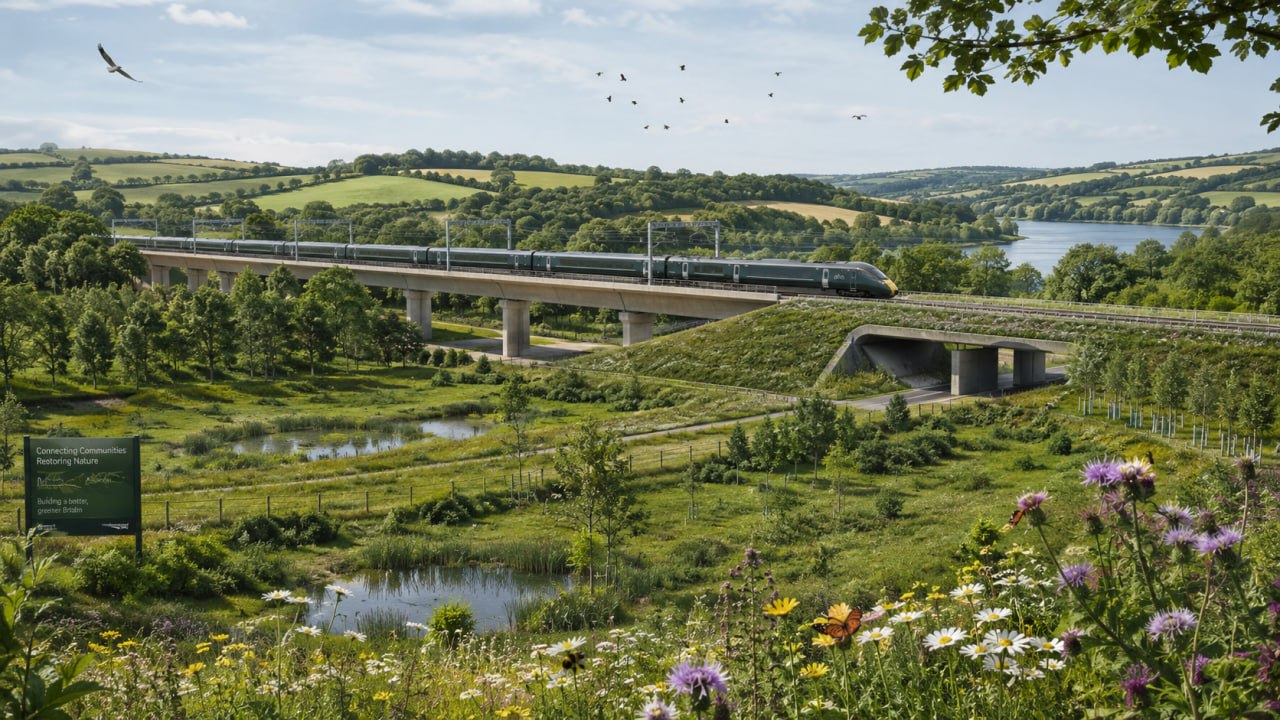
Off-site habitat banks in southern England can supply the biodiversity units that large infrastructure projects require.
For standard TCPA applications, developers have historically faced pressure to demonstrate on-site delivery before going off-site. For NSIPs, there is no such hierarchy. On-site and off-site biodiversity gains are treated as equally valid from the outset. This reflects the practical reality: a nuclear power station, a major road scheme, or a large transmission line is not going to create meaningful long-term habitat within its operational boundary. Off-site units from a registered habitat bank are an equal and often more ecologically effective choice.
The biodiversity baseline for NSIPs covers only habitats actually impacted by the development — the "BNG boundary" — not the full extent of the Order Limits. This is especially significant for large linear schemes where the Order Limits may extend across dozens of square kilometres but the physical footprint disturbing habitat is a fraction of that. Only what the project actually disturbs counts in the baseline calculation.
DCO applications submitted from 2 November 2026 must include an outline biodiversity gain plan demonstrating how the 10% net gain target will be met, including any proposed off-site delivery. The plan can be updated post-consent as detailed design evolves — but off-site supply arrangements should be identified and agreed before the application is submitted. Waiting until post-consent to find off-site units adds risk to already complex DCO timelines.
NSIPs use the same statutory biodiversity metric as standard planning applications. The same habitat distinctiveness bands, condition assessments, and spatial risk multipliers apply. Ecological consultancies already working with BNG will find the calculation methodology familiar — the key differences are in the BNG boundary definition and the absence of an on-site hierarchy, not in the metric itself.
The scale of NSIP BNG requirements sets them apart from the standard planning applications that have driven the off-site market since February 2024. A typical TCPA development might need between 0.5 and 5 biodiversity units of off-site delivery. A major road scheme impacting 50 hectares of grassland and scrub could easily generate a requirement for hundreds of units — a bulk order of a kind the market has not yet seen at scale.
For NSIP developers, early engagement with habitat banks is critical. Unlike standard planning applications where off-site units can sometimes be secured after permission is granted, NSIP developers need to demonstrate off-site supply in their outline biodiversity gain plan at DCO application stage. Registered habitat banks with large unit inventories and the operational capacity to service bulk orders are the logical first port of call.
Where off-site units cannot be secured, statutory biodiversity credits provide a backstop — but they are deliberately priced well above market rates to make them a last resort. For large NSIP unit requirements, the cost differential between credits and off-site habitat bank units is substantial.
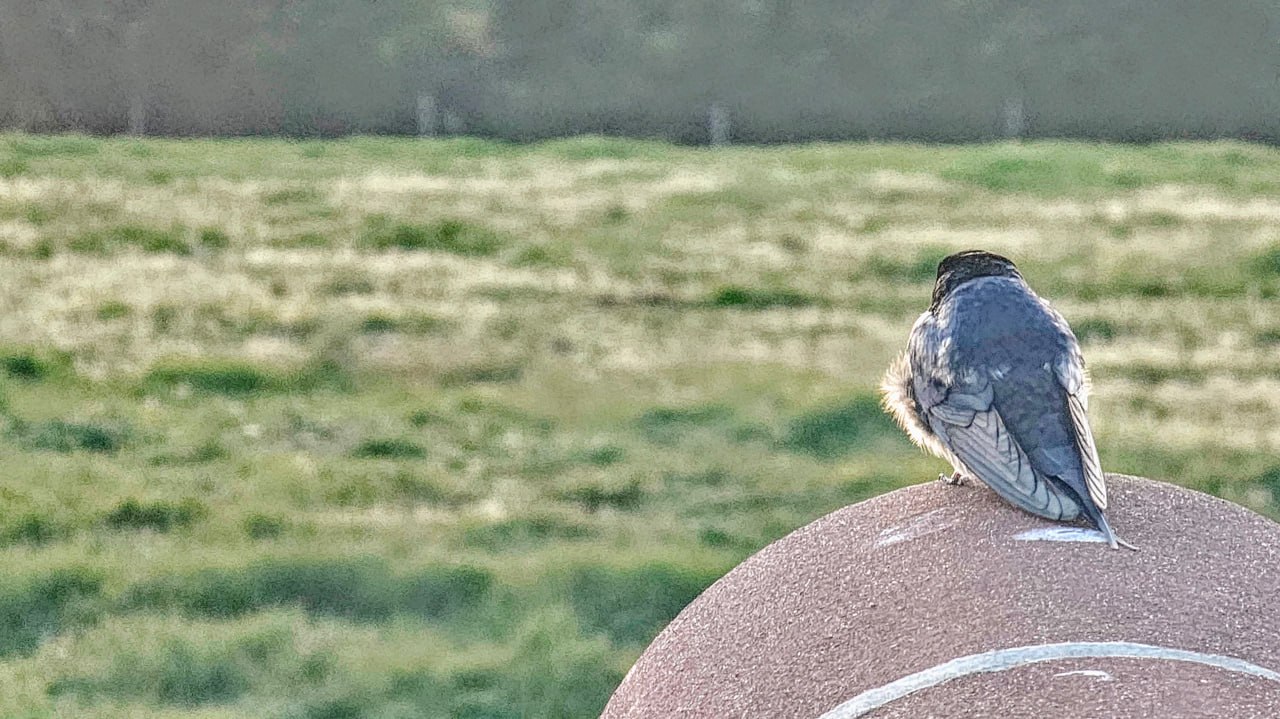
The Ferals, Tarrant Keyneston, Dorset — a registered biodiversity gain site supplying approximately 500 units across 250 acres.
The Ferals is a registered biodiversity gain site on the Natural England BNG Register (BGS-180925001), delivering approximately 500 biodiversity units across 250 acres in Tarrant Keyneston, Dorset. We supply medium and high distinctiveness habitat types including other neutral grassland, mixed scrub, hedgerow, and rural tree units.
Southern England has a significant concentration of NSIP activity — large-scale solar, transmission infrastructure, road and rail schemes across Dorset, Wiltshire, Hampshire, Somerset, and the wider south west. Many are already in the Planning Inspectorate pipeline. Habitat banks located within practical trading distance of these projects, with large inventories and the operational infrastructure to support bulk allocations, are well positioned to supply the off-site units NSIP developers will need.
For NSIP requirements at scale, we work directly with the developer's ecological consultancy to match the habitat type deficit against our available inventory, provide a formal quote, and agree an allocation timeline that fits the DCO application programme. Contact us with your project details and we will respond within one working day.
Your ecological consultancy calculates the baseline biodiversity value within the BNG boundary and the post-development value, identifying the off-site unit deficit by habitat type. The deficit drives the unit requirement.
Look for gain sites on the Natural England register with sufficient inventory, matching habitat types, and spatial risk multipliers appropriate for your project location. Registered sites with large unit banks can confirm availability quickly.
Agree unit quantities, habitat types, pricing, and allocation timeline with the habitat bank. A commercial agreement — typically a BNG purchase agreement — secures the supply ahead of your DCO submission.
The off-site supply arrangement is referenced in the outline BNG plan submitted with the DCO application. This satisfies the requirement to demonstrate how the 10% net gain target will be met, including off-site delivery.
Post-consent, units are formally allocated on the Natural England Biodiversity Gain Sites Register. This completes the legal chain and provides the evidence needed to discharge the BNG planning condition.
For a detailed walkthrough of the process, see our guide: How to Buy BNG Units: From First Enquiry to Natural England Allocation. For NSIP-specific guidance, see our detailed editorial: BNG for NSIPs: What the November 2026 Mandate Means for Developers and Habitat Banks.
Biodiversity Net Gain becomes mandatory for Nationally Significant Infrastructure Projects from 2 November 2026. Any DCO application submitted on or after that date must demonstrate at least 10% biodiversity net gain.
Yes. For NSIPs there is no hierarchy preferring on-site delivery. On-site and off-site biodiversity gains are treated as equally valid. NSIP developers can purchase off-site BNG units from registered habitat banks — and for most large infrastructure schemes, off-site delivery is the most practical and ecologically effective route.
NSIPs vary considerably in scale. A major road scheme impacting 50 hectares of habitat could require hundreds of biodiversity units of off-site delivery. A solar farm above 50MW is likely to need dozens. Your ecological consultancy will calculate the precise requirement using the statutory biodiversity metric.
For NSIPs, the biodiversity baseline covers only habitats actually impacted by the development — the "BNG boundary" — rather than the full Order Limits. This is especially significant for large linear schemes where the Order Limits can extend far beyond the physical footprint of the works.
Yes. DCO applications submitted from 2 November 2026 must include an outline biodiversity gain plan demonstrating how the 10% net gain target will be met, including any proposed off-site delivery. The plan can be updated post-consent as detailed design evolves.
The Ferals (BGS-180925001) supplies approximately 500 biodiversity units across medium and high distinctiveness habitat types: other neutral grassland, mixed scrub, hedgerow, and rural tree units. Contact us with your metric and we will confirm whether we can match your specific requirement.
We work with developers, planning consultants, and ecologists across southern England. Send us your project details and biodiversity metric and we'll match your requirement — from targeted habitat type allocations to large-scale NSIP supply.
Get in touch