"We defy augury," said Hamlet. But I don't.
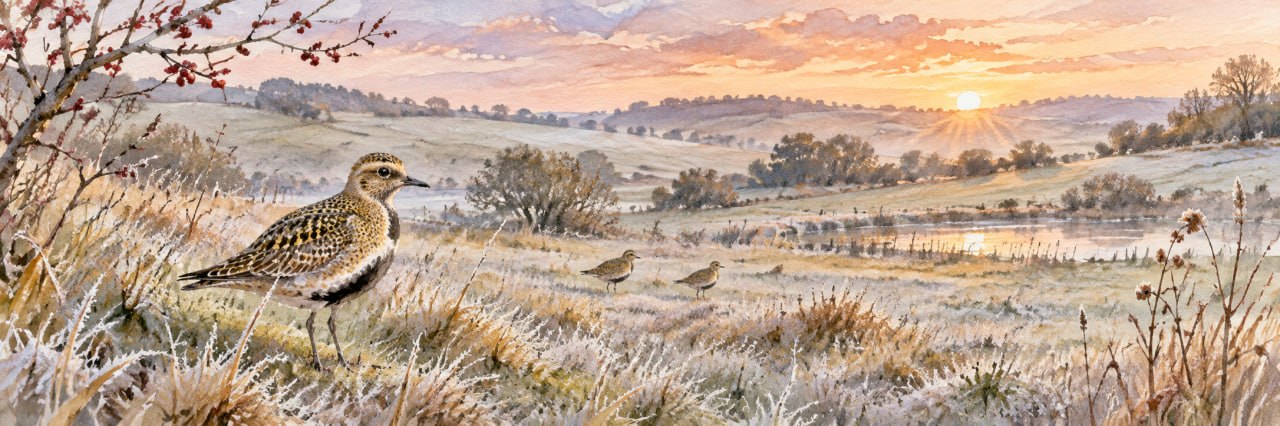
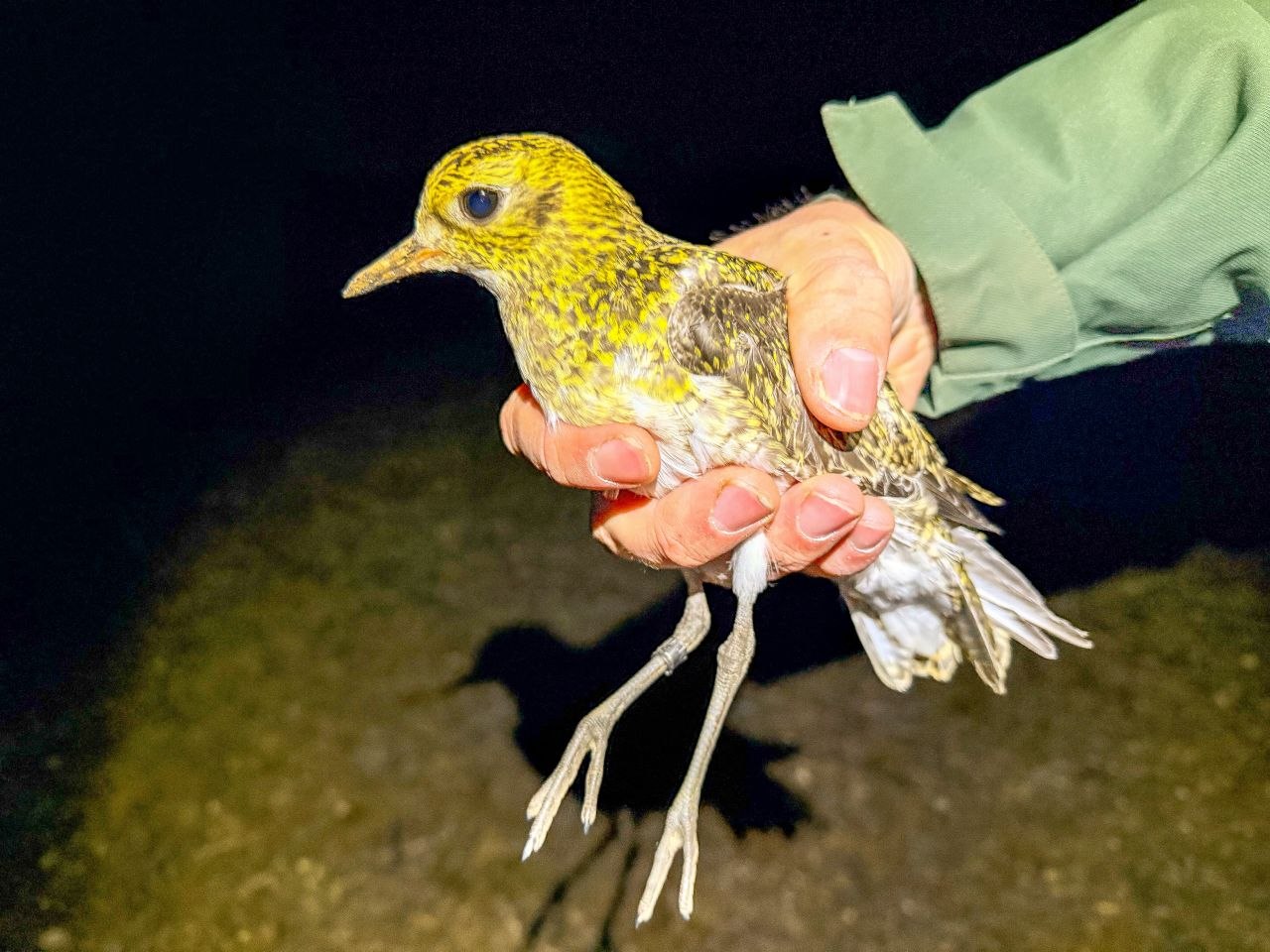
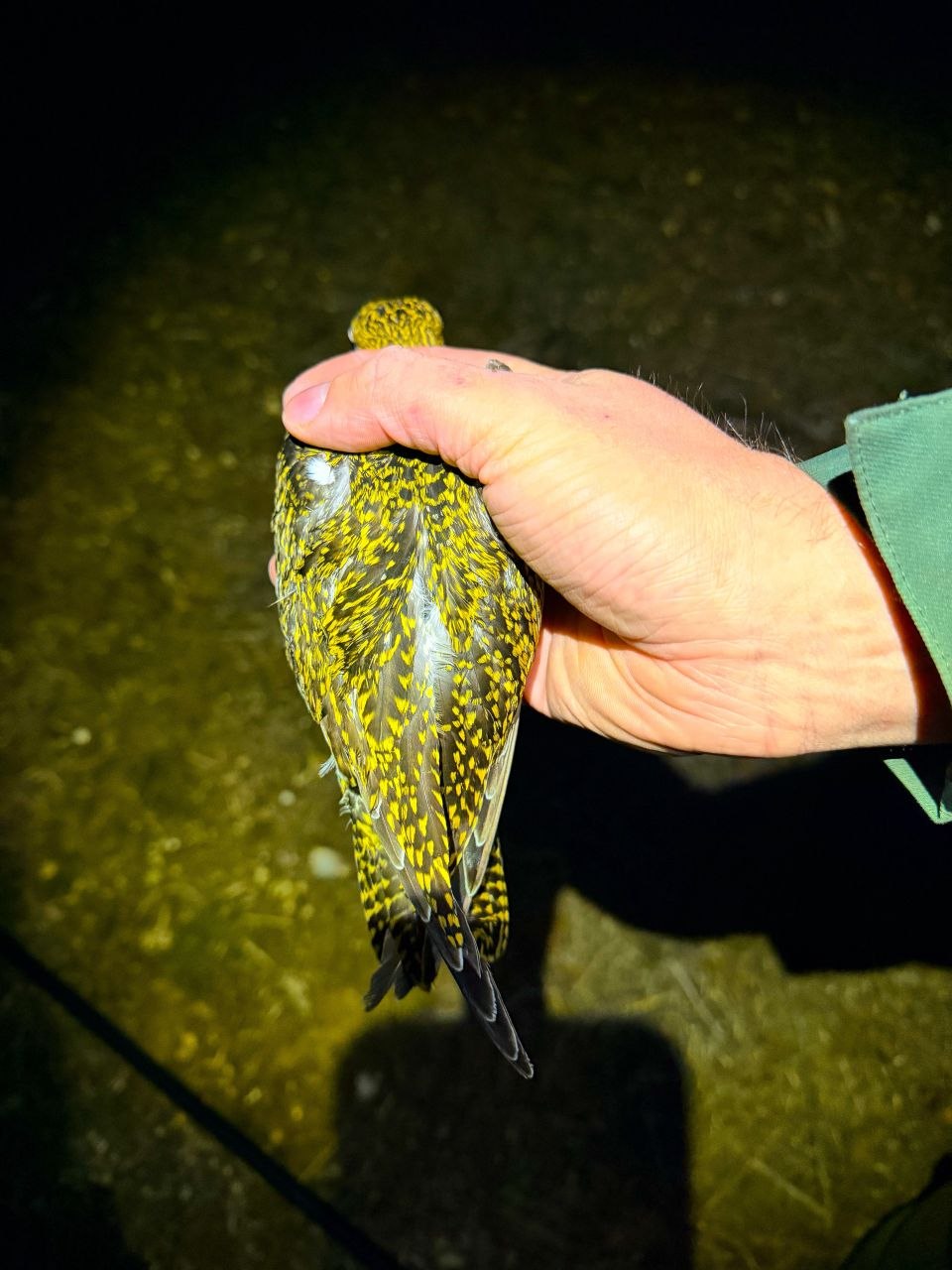
Yesterday, we recorded our first Golden Plover (Pluvialis apricaria) at The Ferals. This morning, a hard frost settled over the Dorset countryside.
Coincidence? Almost certainly. But centuries of folklore might suggest otherwise.
The Golden Plover has long been regarded as a harbinger of bad weather. Its very name carries an echo of this association: Pluvialis derives from the Latin pluvia, meaning rain, while our English word 'plover' shares the same linguistic ancestry.
Country folklore maintained that these birds could foretell the weather, particularly the arrival of frost and storms. Their movements were watched closely, with departures ahead of hard weather interpreted as warnings of what was to come.
There is, of course, a perfectly sound ecological explanation for some of this apparent prescience. Golden Plovers feed largely on earthworms and other soil invertebrates. When the ground freezes, their food becomes inaccessible, prompting them to seek more hospitable conditions elsewhere.
What appeared to our ancestors as prophecy was often the product of close observation of the natural world. Before meteorological satellites and sophisticated forecasting models, people paid attention to the movements of birds.
And perhaps there is something rather valuable in that.
The Bird That Inspired a Book of Records
The Golden Plover has another, rather unexpected, claim to fame.
In November 1951, Sir Hugh Beaver, then managing director of Guinness, was attending a shooting party in Ireland. A debate arose over whether the Golden Plover was Europe's fastest game bird. No reference book could settle the question.
The frustration stayed with Beaver. Surely, he reasoned, there ought to be a book capable of resolving such arguments?
Four years later, in 1955, the first Guinness Book of Records was published.
It's a pleasing irony that a bird whose movements once inspired speculation about the weather should also have inspired one of the world's great exercises in recording and measuring facts.
A Winter Visitor to Our Grasslands
Golden Plovers breed primarily on the open moorlands of northern Britain, Iceland and northern Europe. As autumn gives way to winter, many move southwards, exchanging their upland breeding grounds for the comparatively mild lowland fields and pastures of Britain.
Here in Dorset, they favour wide, open landscapes with short vegetation, where they can forage for earthworms, beetles and other invertebrates while keeping a watchful eye on their surroundings.
We encountered Golden Plovers on the Northumberland coast in August, so finding one at The Ferals three months later was a particular pleasure.
Their presence is interesting from a habitat restoration perspective. Golden Plovers aren't necessarily drawn to the colourful wildflowers we associate with species-rich grassland. Their requirements are rather more understated: open ground, suitable vegetation structure and a healthy abundance of life beneath the soil.
It's a reminder that ecological richness is not always immediately visible. Sometimes the most important changes are happening quietly, below our feet.
Nature Recovery at The Ferals
Across 250 acres of Dorset countryside, we're working to restore a diverse mosaic of grassland, scrub, woodland and wetland habitats.
Our approach combines native wildflower establishment, low-input management, grazing and natural regeneration. The intention is not simply to create a more attractive landscape, but to restore the ecological relationships that allow it to function: between plants and soils, insects and birds, grazing animals and the vegetation they shape.
The arrival of a Golden Plover doesn't, by itself, demonstrate that our restoration is succeeding. Wildlife moves for many reasons, and a single sighting is just that: a sighting.
But each new species recorded adds another small piece to our understanding of the land. Over time, these observations help reveal how the landscape is changing, which habitats are being used and where our management might make a difference.
This is also an important dimension of Biodiversity Net Gain (BNG), through which much of our habitat restoration is being delivered.
BNG necessarily relies on measurement: habitat area, distinctiveness, condition and the biodiversity units these generate. Such measurements are essential for making restoration commitments meaningful and accountable.
Yet the purpose extends beyond the numbers. It is to create functioning habitats that provide opportunities for wildlife, including species we may never have anticipated.
There is something rather satisfying about the connection between a Golden Plover that helped inspire a book of records and its appearance on land where we are now measuring ecological recovery.
We need the records, certainly. But we must also remember to look up from them.
And given the timing of our newest visitor and this morning's frost, I'll be paying rather more attention to the plovers than the Met Office forecasts this year.
The Ferals is a Biodiversity Net Gain habitat bank in Tarrant Keyneston, Dorset. To enquire about available BNG units, contact us at [email protected].